In the verdant woodlands of Dumfries and Galloway, the red squirrel (Sciurus vulgaris) thrives, offering a glimpse into the rich tapestry of Scotland’s wildlife. These smaller, daintier relatives of the grey squirrel are distinguished by their pronounced ear tufts and vibrant fur, which can be as long as an adult’s hand, with tails of equal length.
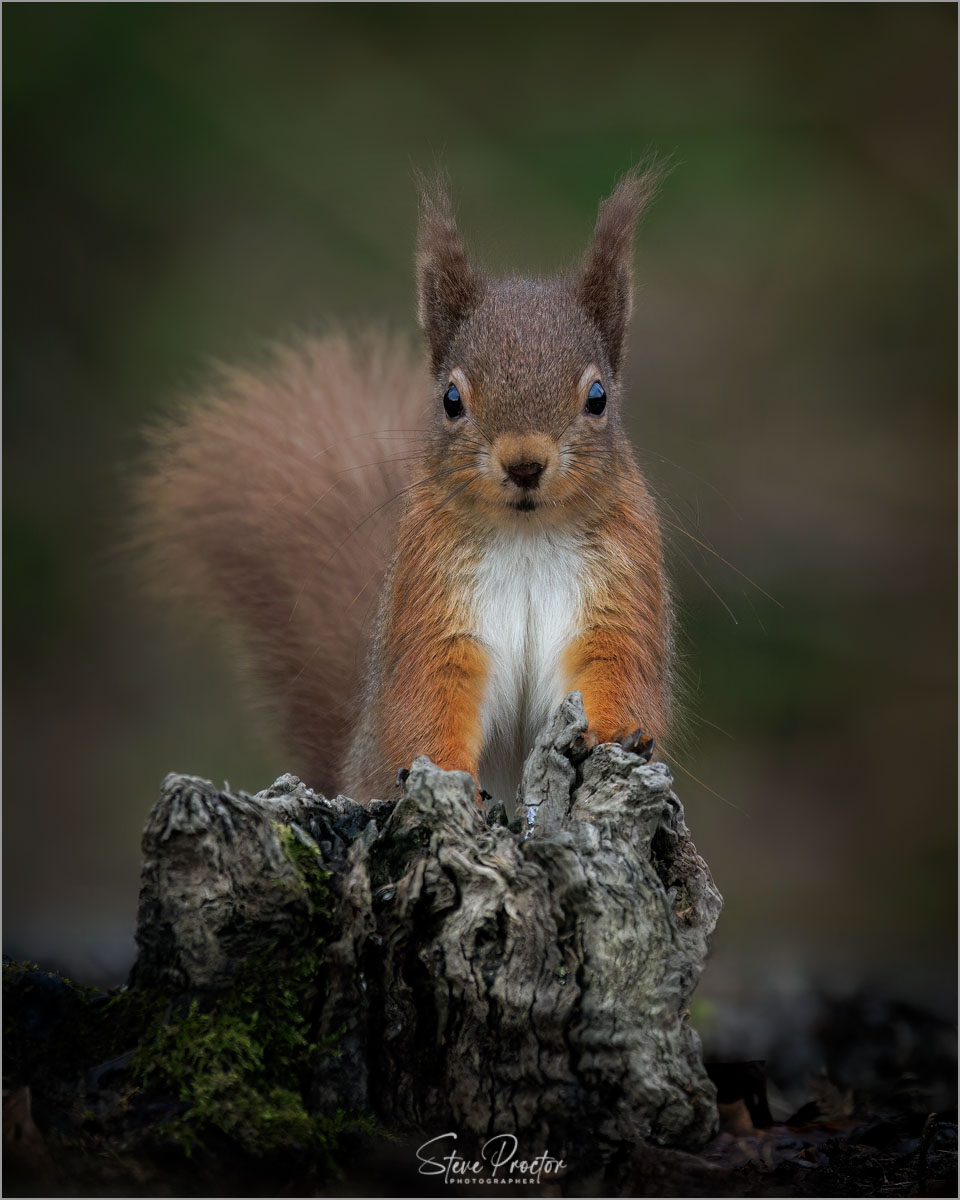
Red squirrels are active year-round, as they do not hibernate. They are most commonly found in the conifer forests of the Highlands and Dumfries and Galloway, where they have adapted to a diet primarily consisting of seeds from pine, spruce, and larch cones. Remarkably, a single squirrel can consume seeds from up to 20,000 cones in a year! They also enjoy nuts, fungi, shoots, fruits, and occasionally birds’ eggs. Their ability to discern the quality of a nut by shaking it is a testament to their survival skills.
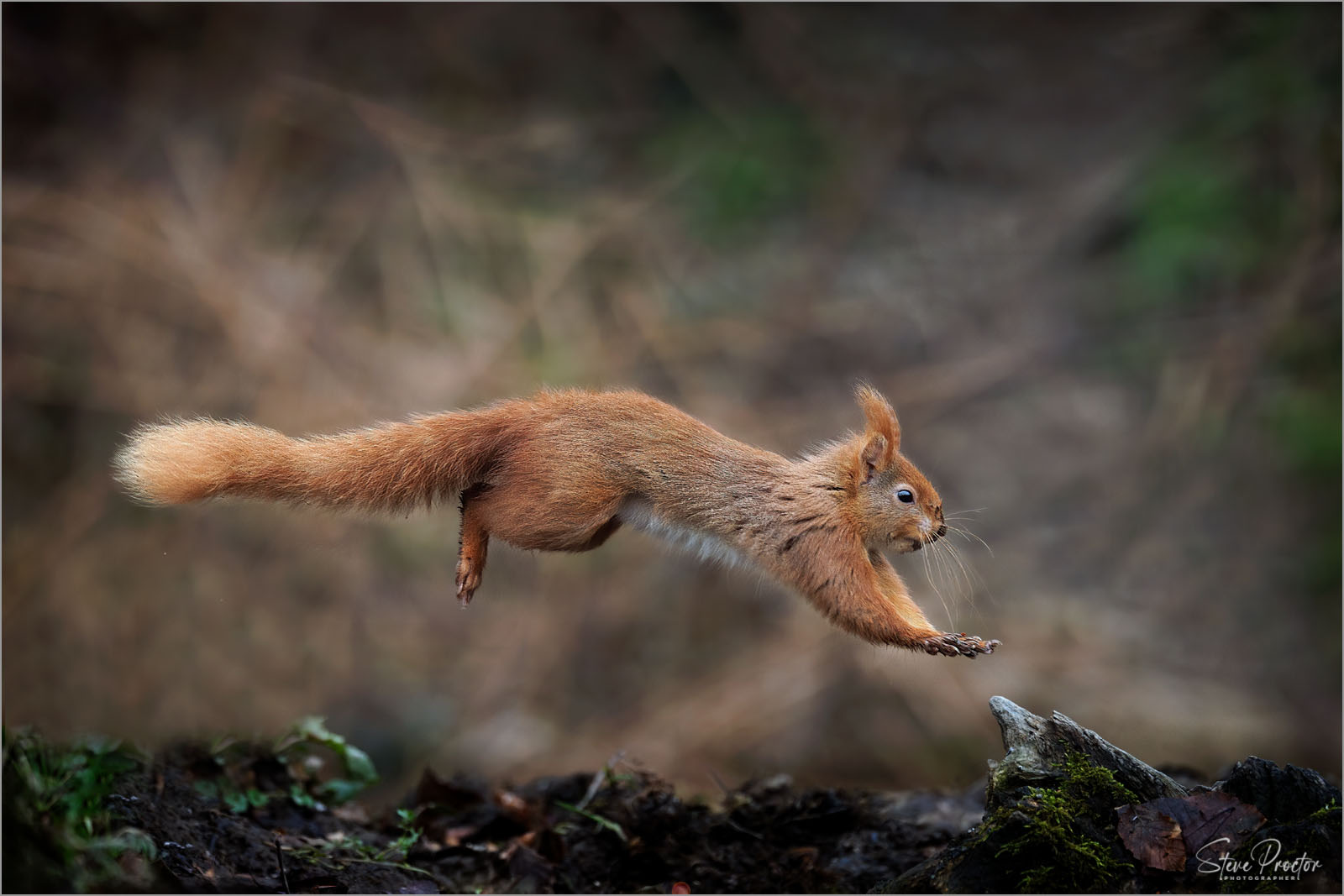
Despite their charming presence, red squirrels face threats from their grey American cousins. The invasive grey squirrels compete for resources and carry the deadly squirrelpox virus, which is fatal to red squirrels. Conservation efforts in Dumfries and Galloway focus on controlling grey squirrel populations and maintaining the conifer forests that red squirrels prefer.
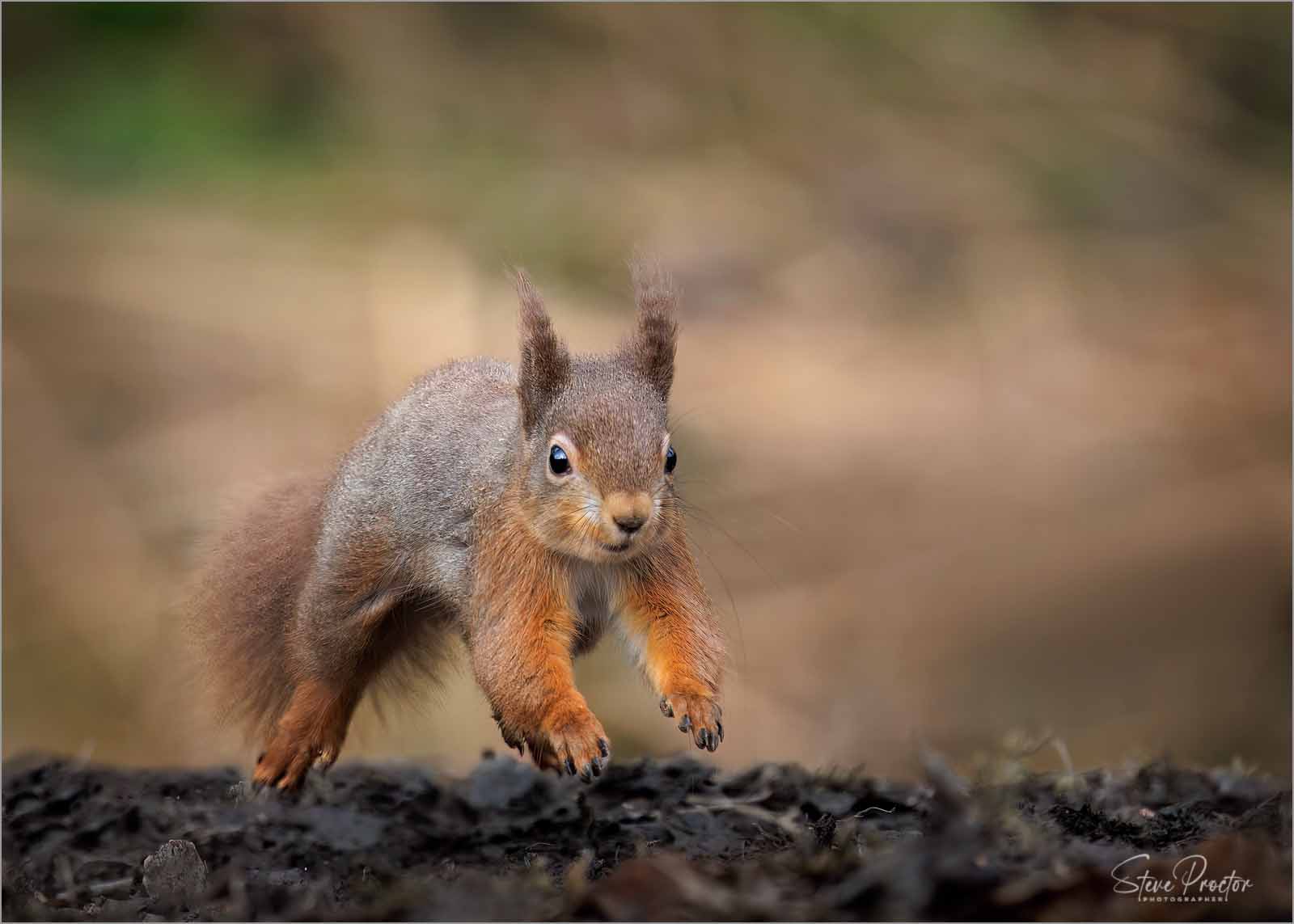
Visitors to the region can spot these elusive creatures by looking for signs such as scratch marks on tree bark, chewed pine cones, and large dreys (nests) high up in the trees. Dedicated trails and squirrel-watching hides, such as those at Kirroughtree Visitor Centre near Newton Stewart, enhance the chances of witnessing these squirrels in their natural habitat. The red squirrel’s struggle for survival in Dumfries and Galloway is emblematic of broader conservation challenges. Yet, with continued efforts to protect their habitat and control invasive species, these iconic mammals can continue to be a symbol of Scotland’s natural heritage for generations to come.
 Steve Proctor - MPAGB, BPE5, PPSA, A.APS, UKICPG-3