Field mice, also known as wood mice (Apodemus sylvaticus), are among the most widespread small mammals in the UK. With their sandy brown fur, large eyes, and long tails, these agile creatures are commonly found in woodlands, hedgerows, grasslands, and even urban gardens.
Despite their modest size, field mice play a vital role in the ecosystem. They feed on seeds, berries, fungi, and insects, helping to disperse plant life and control pest populations. Their habit of caching food—often forgetting where they’ve stored it—accidentally aids in seed germination, earning them the nickname “nature’s gardeners”.
Field mice are nocturnal and highly adaptable. They build burrows with multiple chambers, using moss, leaves, and grass to create warm nests. Breeding typically occurs from spring to autumn, with females producing several litters of up to seven pups each year.
Though charming in the wild, field mice can become a nuisance indoors, especially during colder months when they seek warmth and food. Their gnawing habits can damage wiring and insulation, and they may carry diseases such as Salmonella and Listeria.
Beyond their ecological importance, field mice are a key food source for predators like owls, foxes, and weasels. Even their abandoned nests serve a purpose—queen bumblebees often re-purpose them in spring. In short, field mice are small but mighty contributors to Britain’s natural balance.
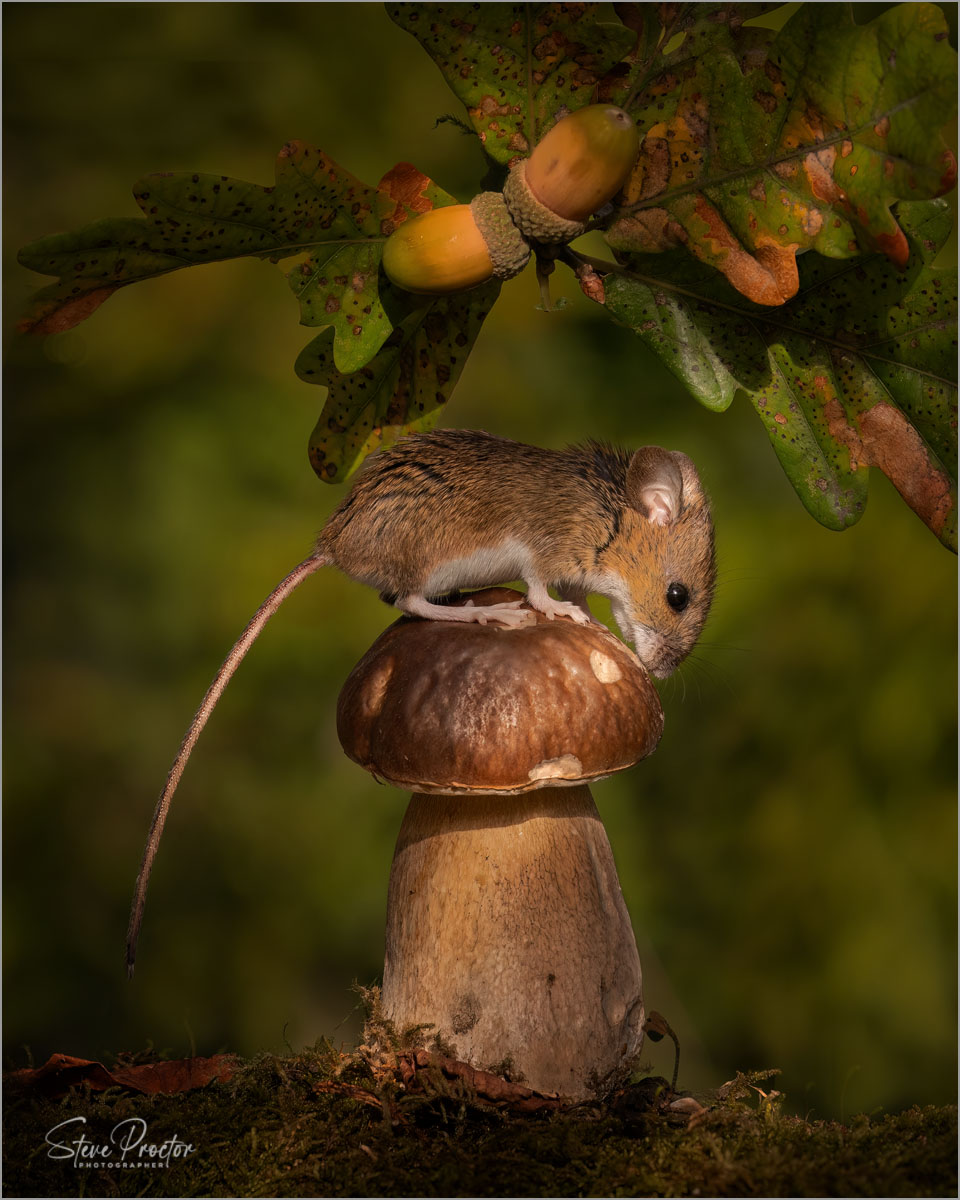
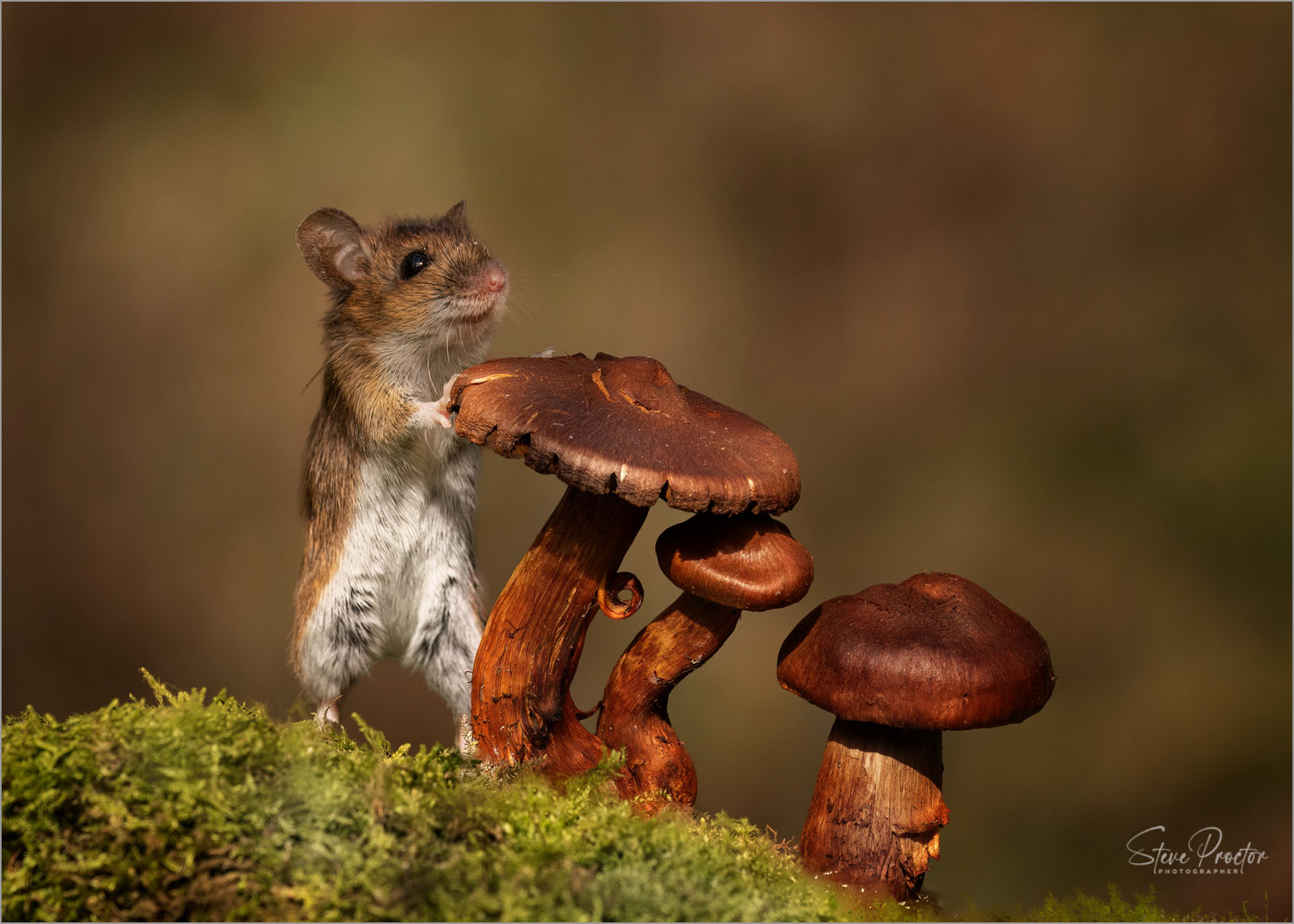
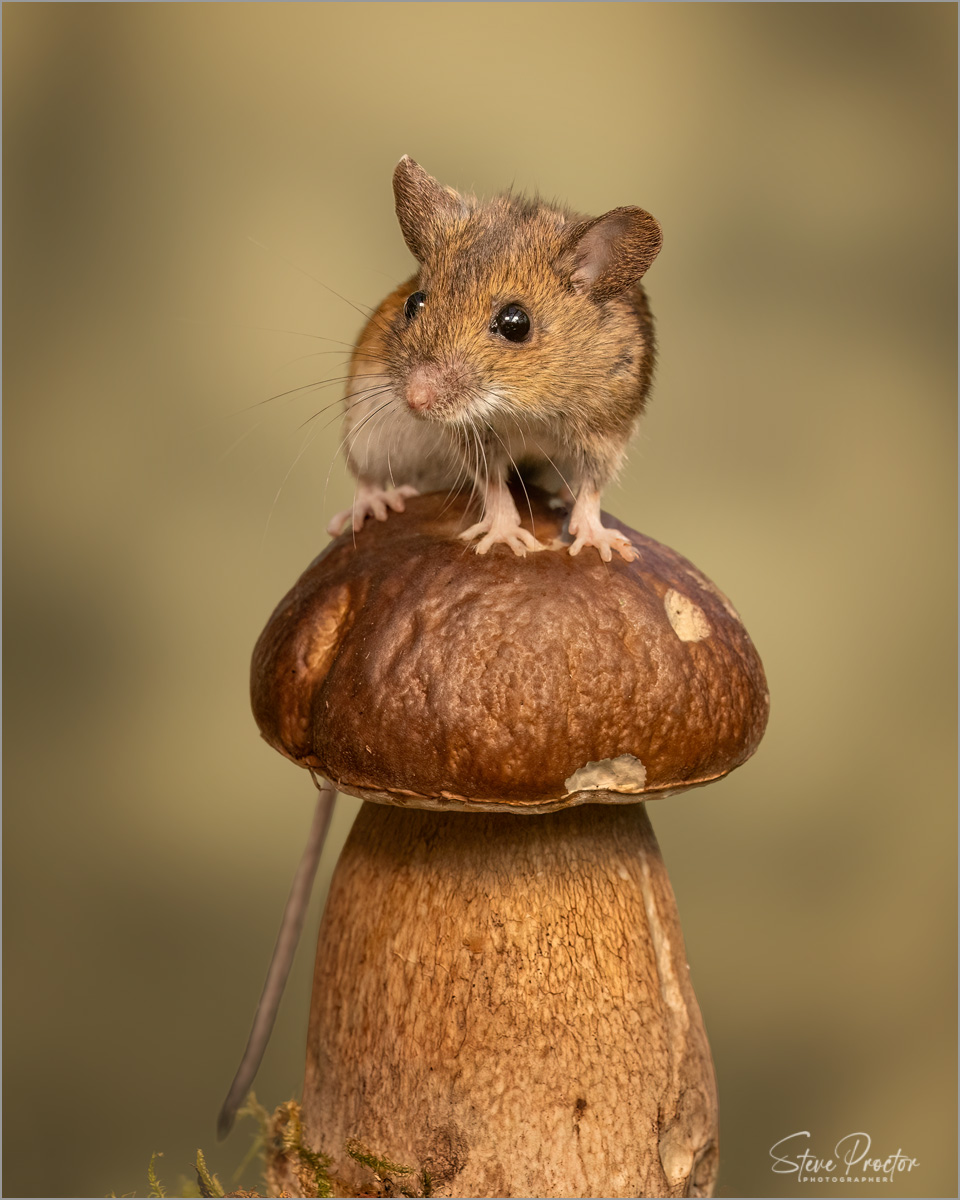
The images below were shot with the help of Cliff Ferguson who captured the mice humanely to photograph. The mice were all released quickly back into the wild to resume their busy lives.

 Steve Proctor - MPAGB, BPE5, PPSA, A.APS, UKICPG-3